 Presents previously unpublished ethnographic material on music activism in the post-Yugoslav region from a participant-observer point of view.
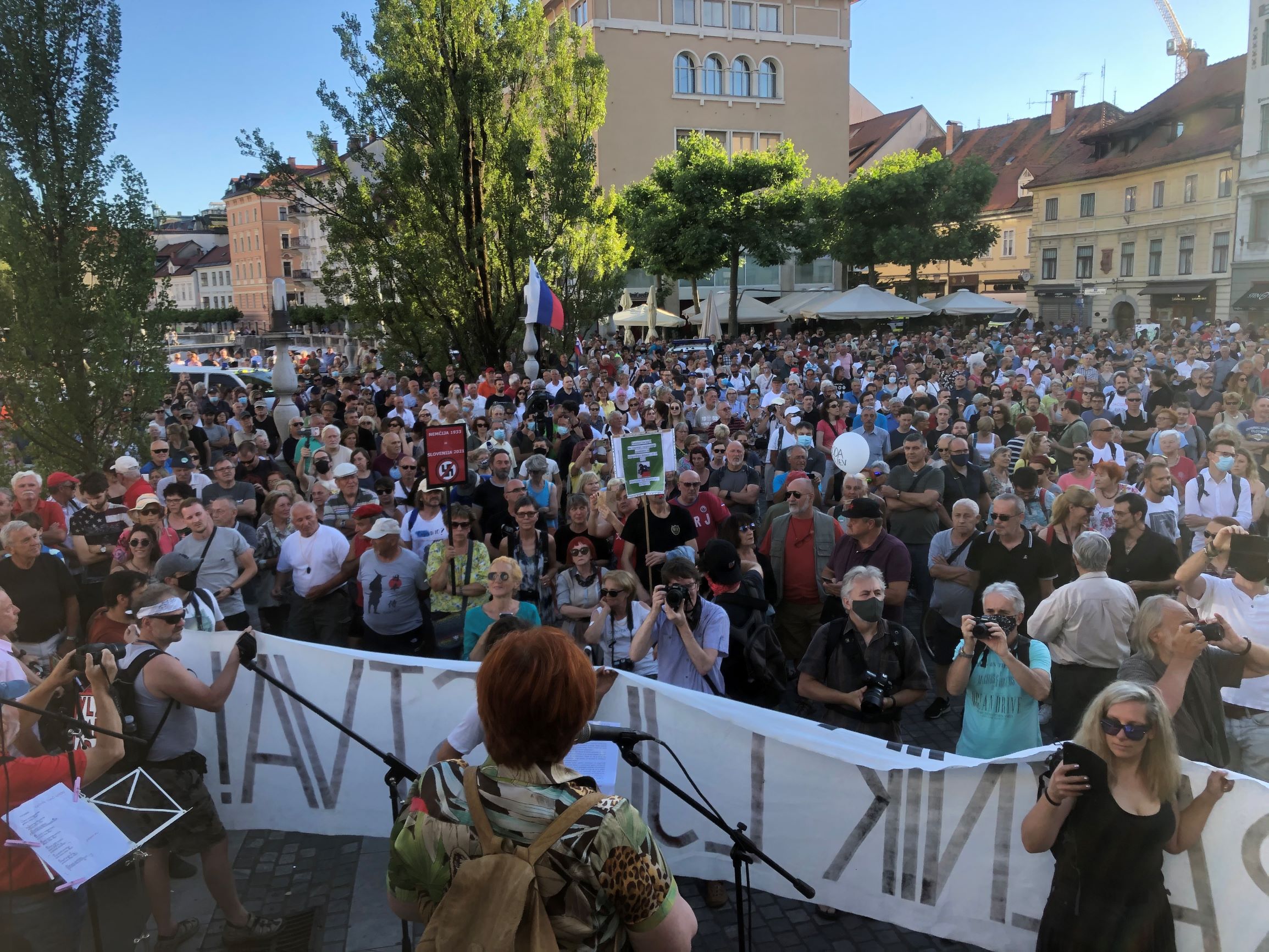
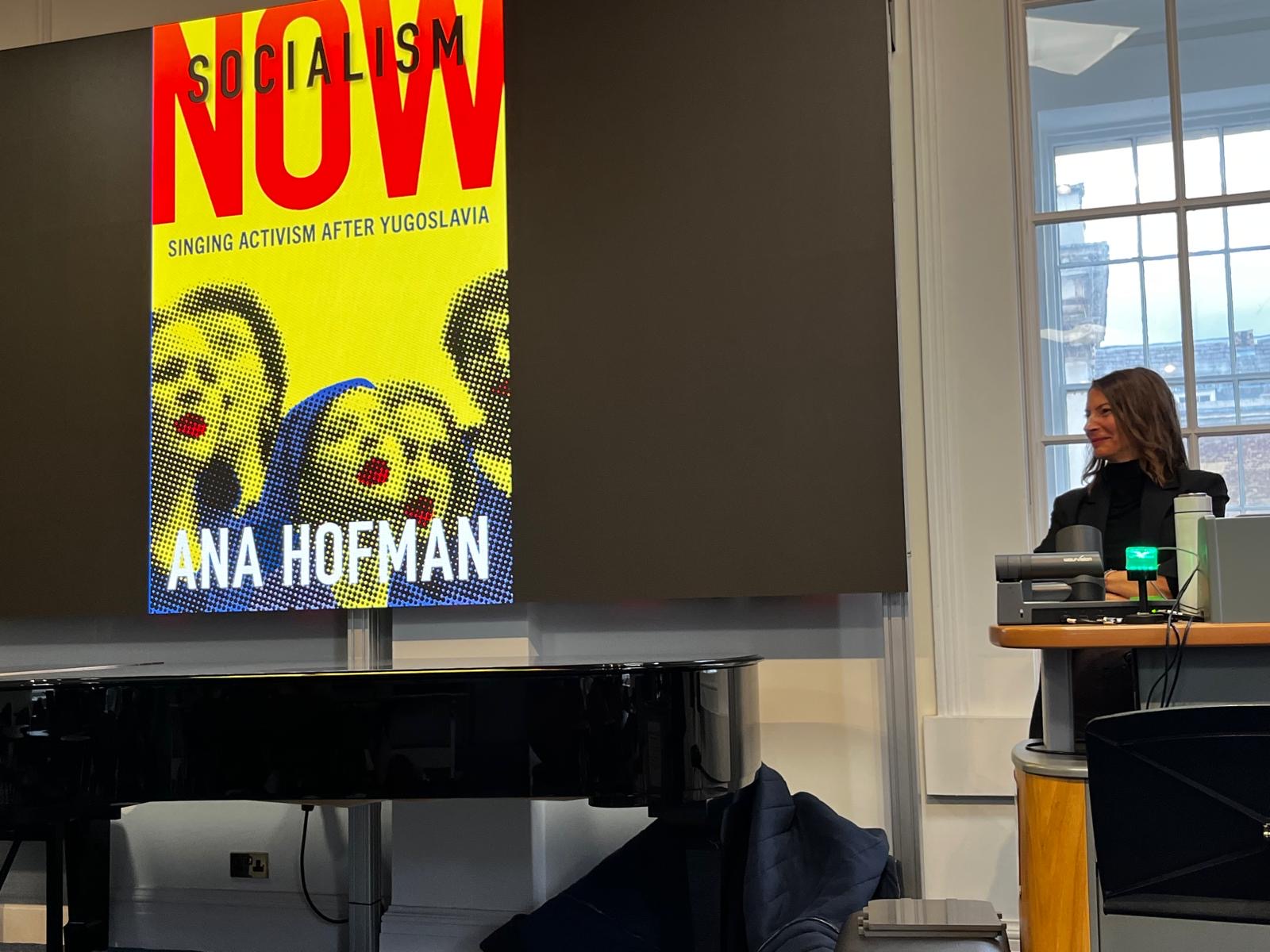
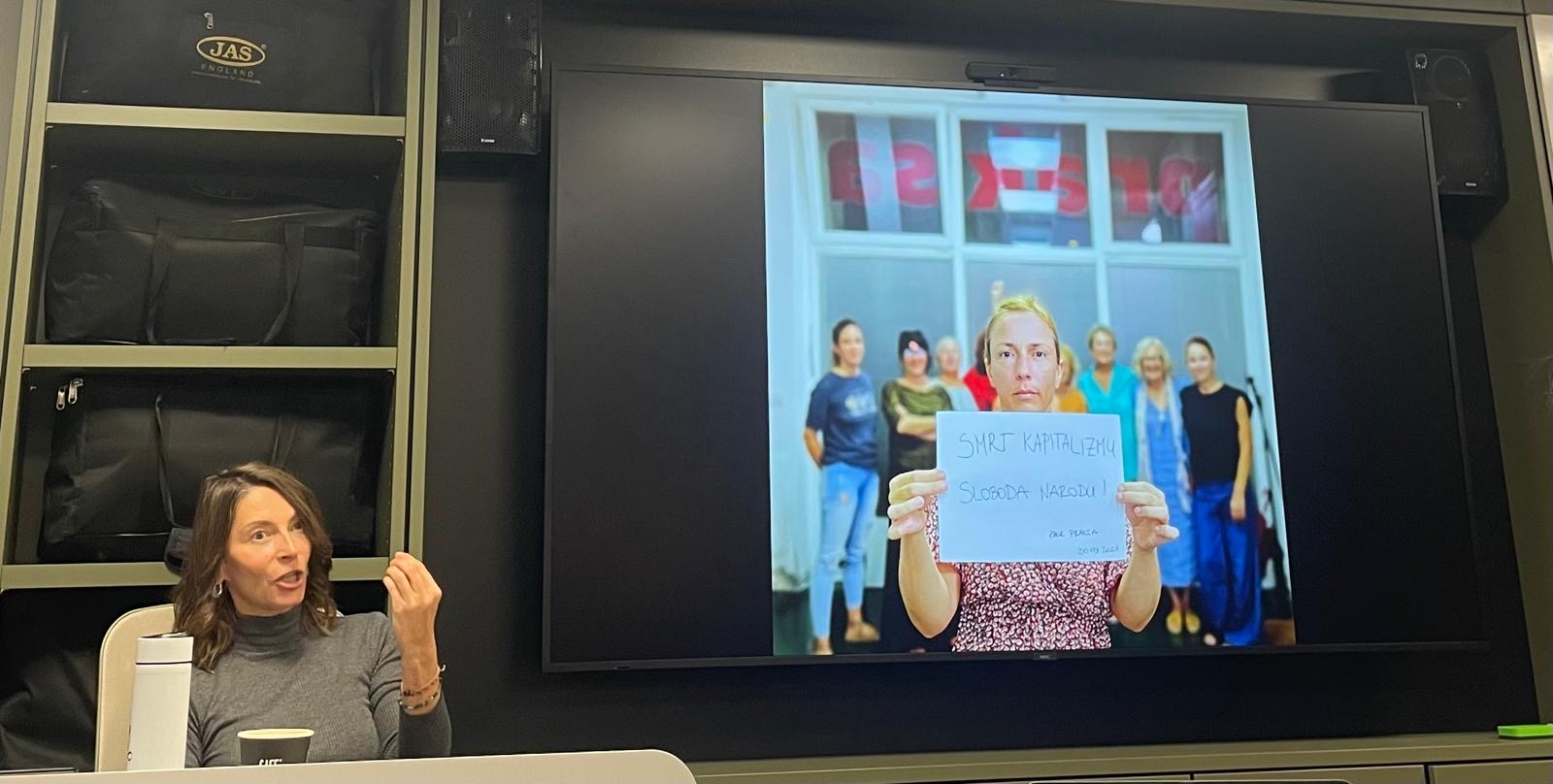
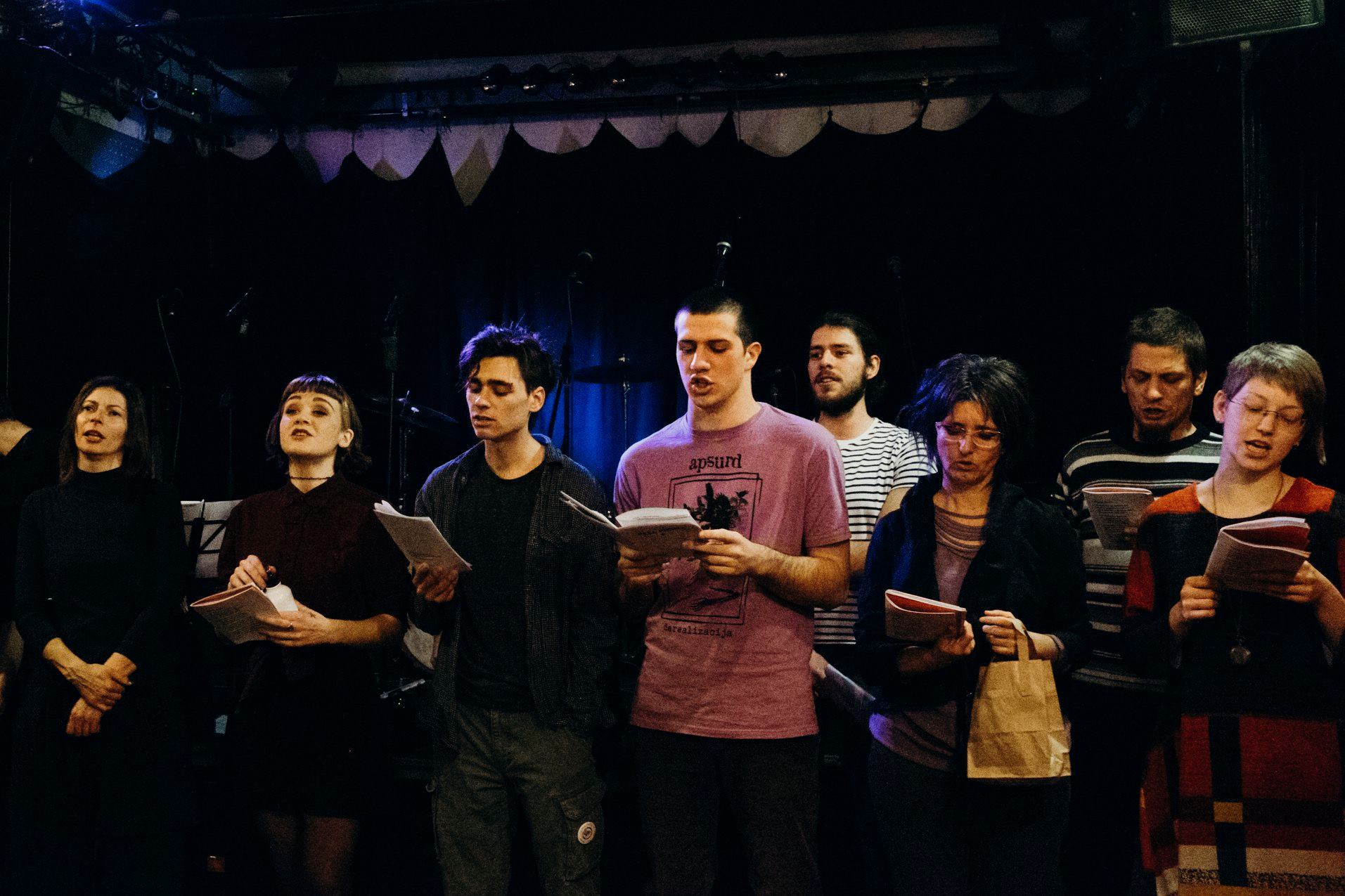
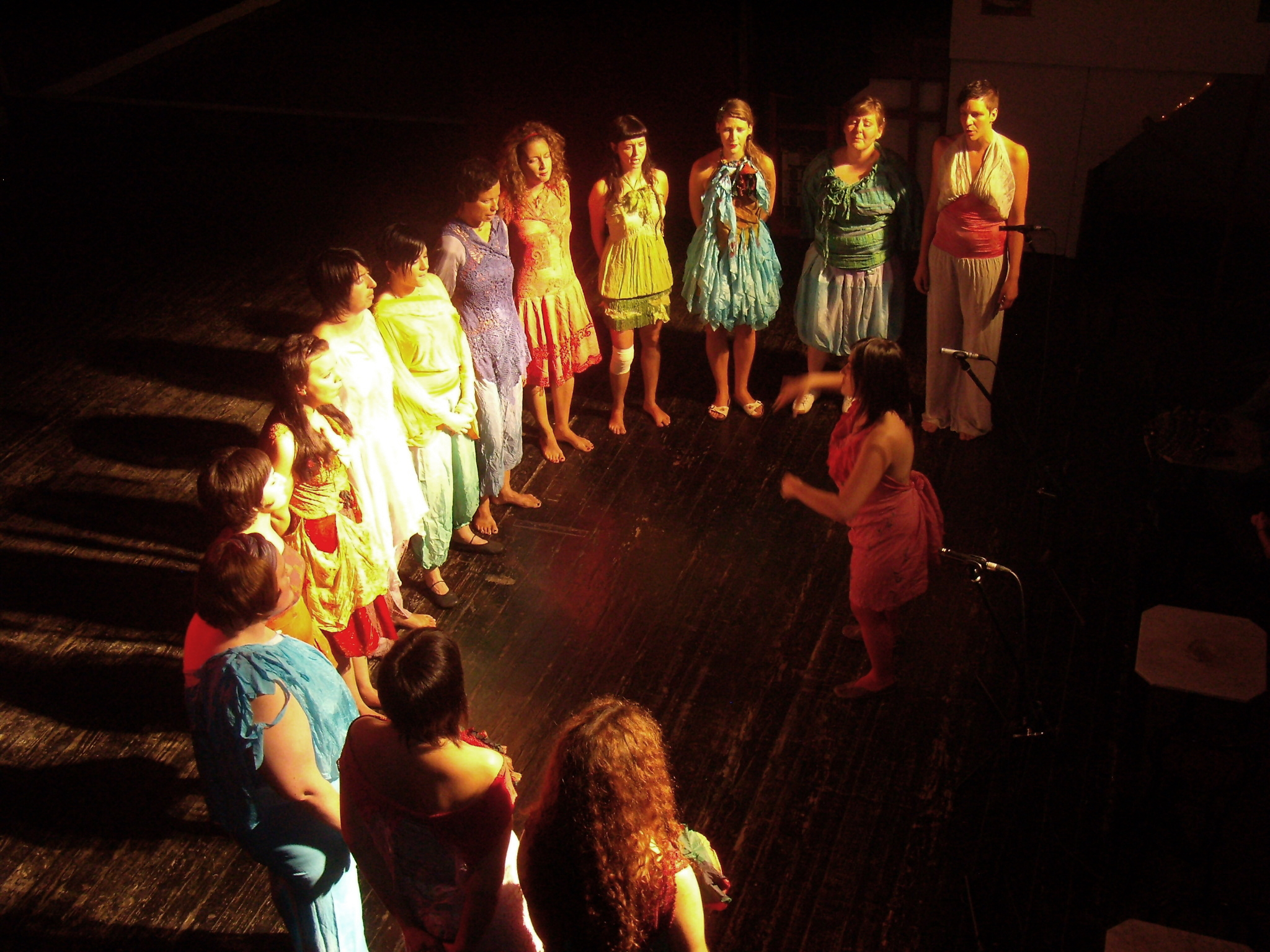
Socialism Now: Singing Activism after Yugoslavia traces the activities of the self-organized choirs that have emerged in the region in the twenty-first century. These collectives have been recuperating Yugoslav and international revolutionary, partisan, and workers’ songs and performing them alongside a contemporary socially engaged repertoire. Their singing activism demasks the privatization, dispossession, and political and social fragmentation that, instead of a promised capitalist dreamland, have shaped lives in the region after the dissolution of socialist Yugoslavia. Combining historical and ethnographic approaches, the book offers a nuanced account of collective singing as a way of organizing against the adverse effects of neoliberal capitalism in its potentialities and limits. Taking a perspective on the politics of music and sound outside the usual understanding of social justice or social change, Socialism Now revalorizes the “lost” historical knowledge and lived experiences from the former Second World. The book’s central concept, strategic amateurism, proposes the key role of nonprofessional, communal leisure musical activities in building the structures for anti-capitalist organizing.
online issue
Online ISBN: 9780197576304
Print ISBN: 9780197576274
Publisher: Oxford University Press
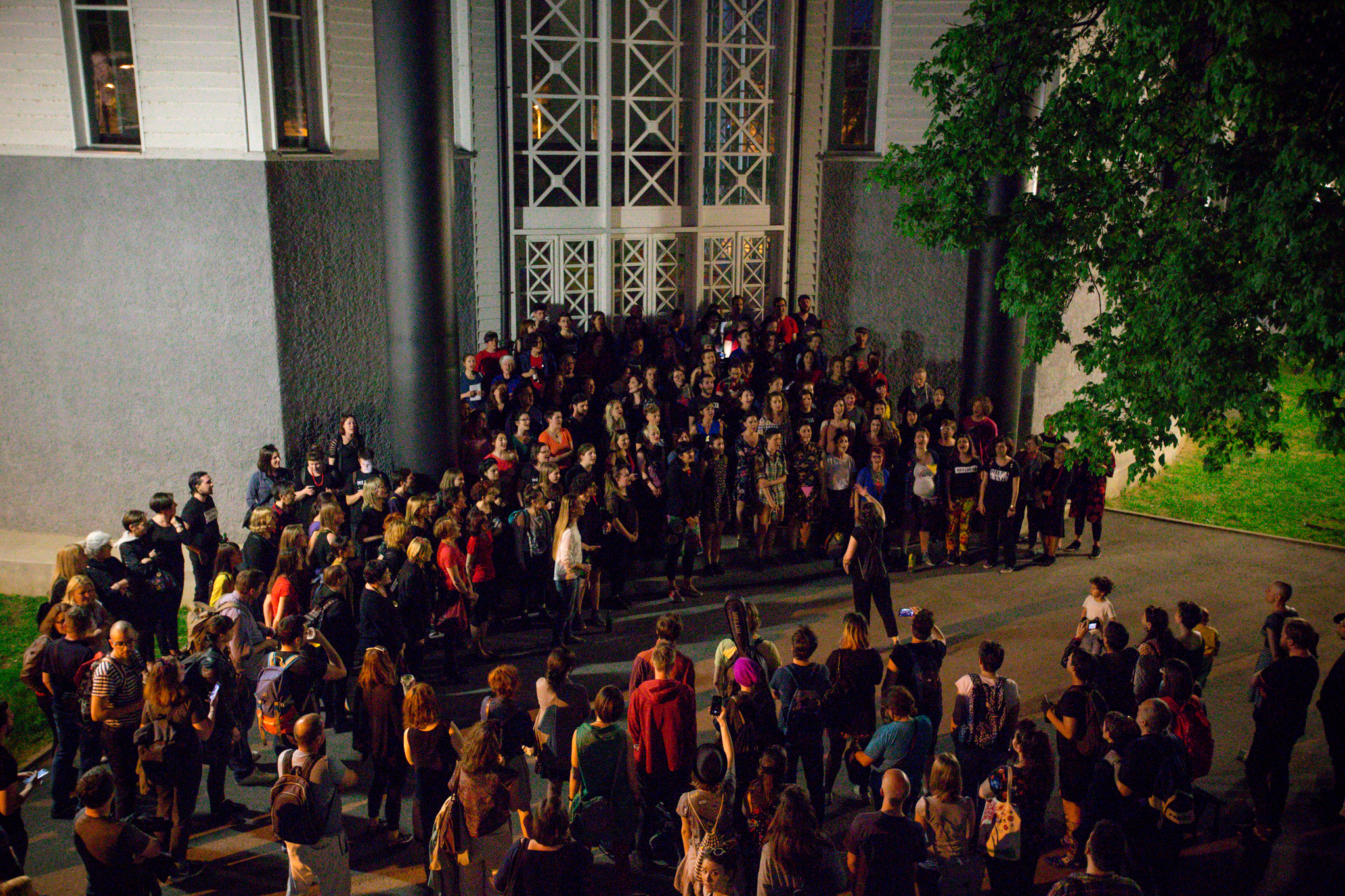
Chapter 1: Singing Socialism Now
This chapter lays the analytical groundwork for exploring the intersection of singing, activism, and socialism in the post-Yugoslav context. The theoretical framework questions the enduring difficulty of grasping the state-socialist project beyond the Cold War discourses and allows for an engagement with the legacies of Yugoslav socialism in its contemporary relevance. The chapter presents activist choirs, the purposes of their foundation, and the revitalization of the song repertoire associated with the anti-fascist and socialist past as a response to the post-socialist sociopolitical and economic upheavals. It further explores the neoliberal exhaustion that their singing seeks to disrupt—an exhaustion stemming from the material conditions of life structured by privatization, the erosion of workers’ and social rights, and the transformation of leisure and rest due to the dismantling of the infrastructures supporting free and public cultural activities. Finally, it theorizes the key aspects of choirs’ collective organizing through the concept of strategic amateurism.
PDF
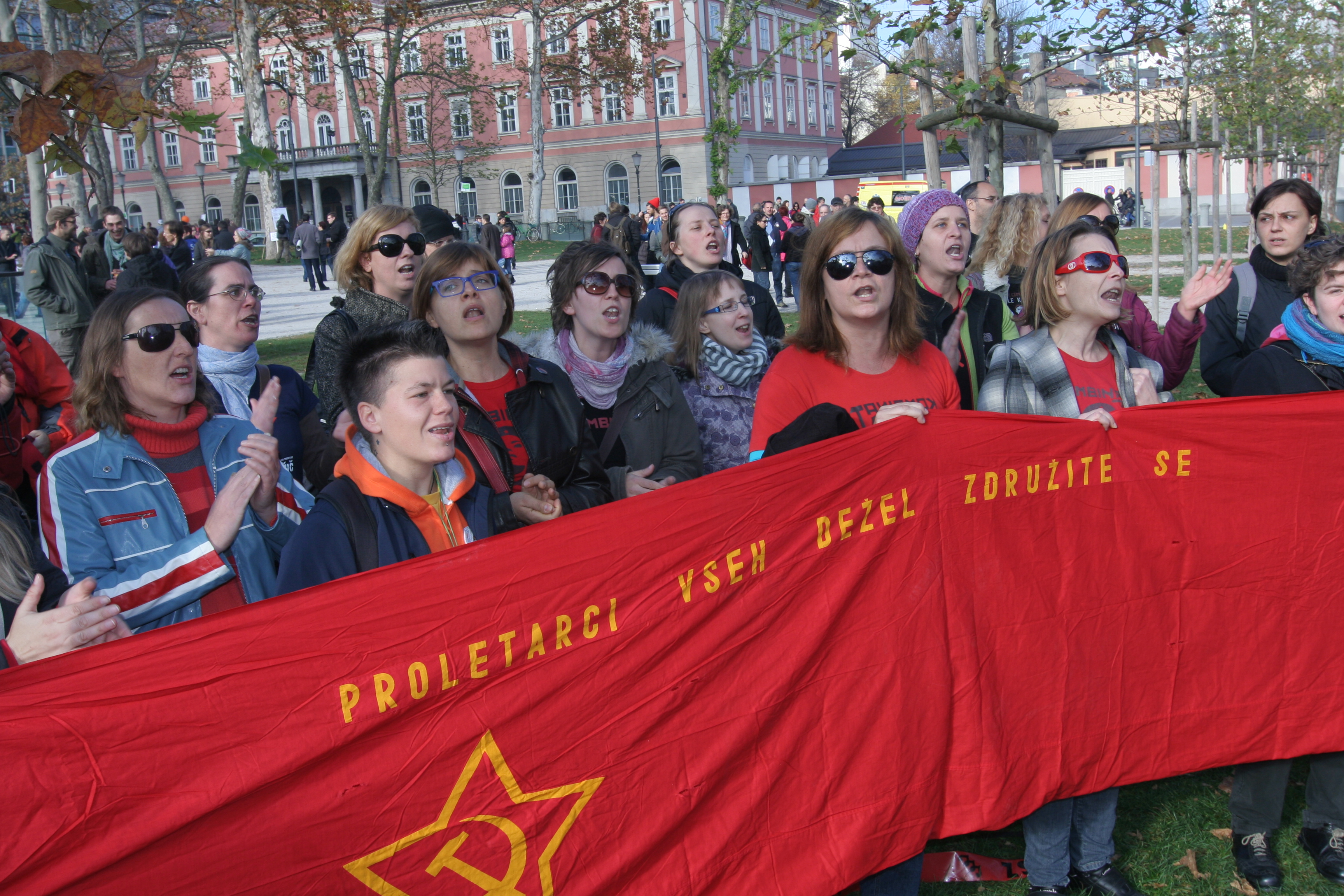
Chapter 2: Singing (as) Activism
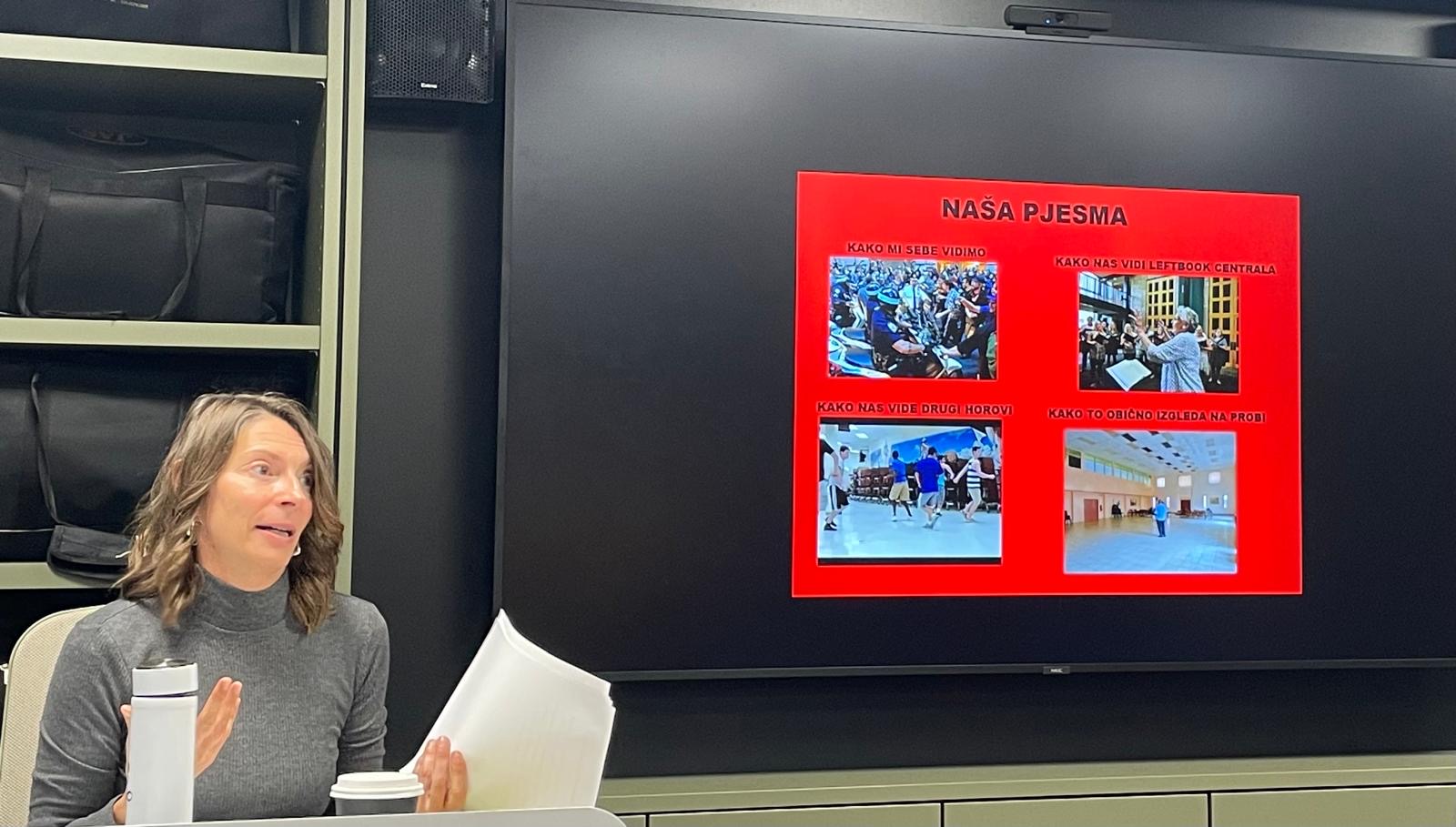
This chapter traces the activist choirs’ roles in forming new trans-Yugoslav and international leftist solidarities through their interventions in urban spaces and the public cultures of memory in the post-Yugoslav region. From their foundation, these collectives are committed to self-organization, based on open participation and consensus decision-making that detaches talent, skill, or training as the prerequisites to choral singing. The chapter examines the choirs’ self-organization in all its complexity, from the spontaneous collective-building process to its sensitive internal dynamics and long-lasting tensions. Drawing upon in-depth interviews with choir members and conductors, the analysis sheds light on the contested relationship between the “musical” and “nonmusical” aspects of singing activism.
PDF
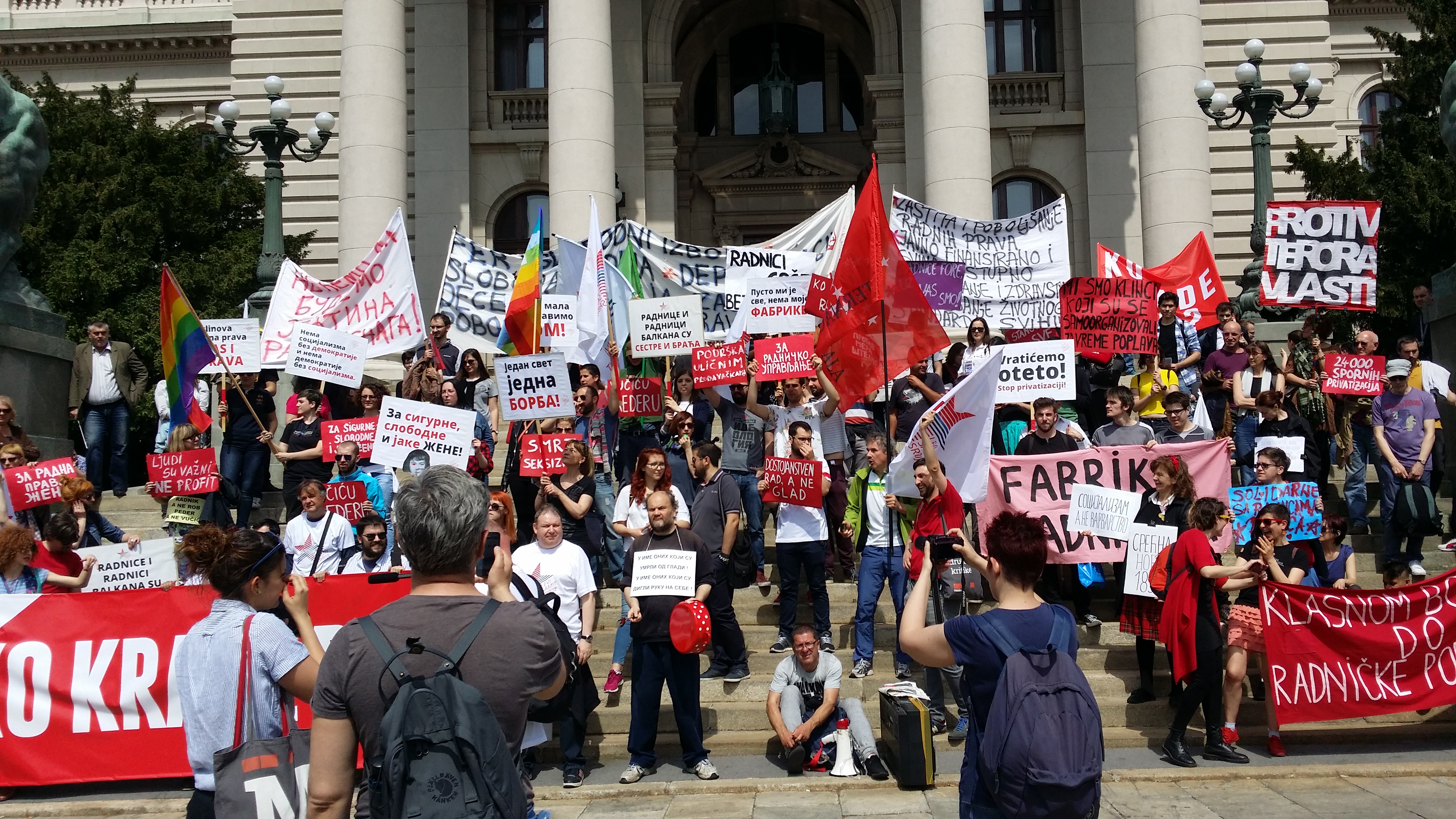
Chapter 3: Sounding “All in One Voice”
What performative strategies do choir members encapsulate in the phrase “all in one voice”? In its sonic materiality, “all in one voice” is a dynamic social and vocal interaction between musically trained or “talented” and “untalented” singers. This chapter reveals how activist choirs revitalize the historical voices of revolutionary masses to infuse a sense of collective based on equality. Fueled by the affectivity of partisan, workers’, and revolutionary songs, the choirs’ sounding “all in one voice” gives the regional and international class solidarities a new aural life. Such an attempt, as the analysis shows, has specific connotations and consequences in the post-Yugoslav context, as it contests the region’s ethnic divisions and recalls class-based solidarity as the ultimate opposition to the neoliberal social fragmentation and the production of difference.
PDF
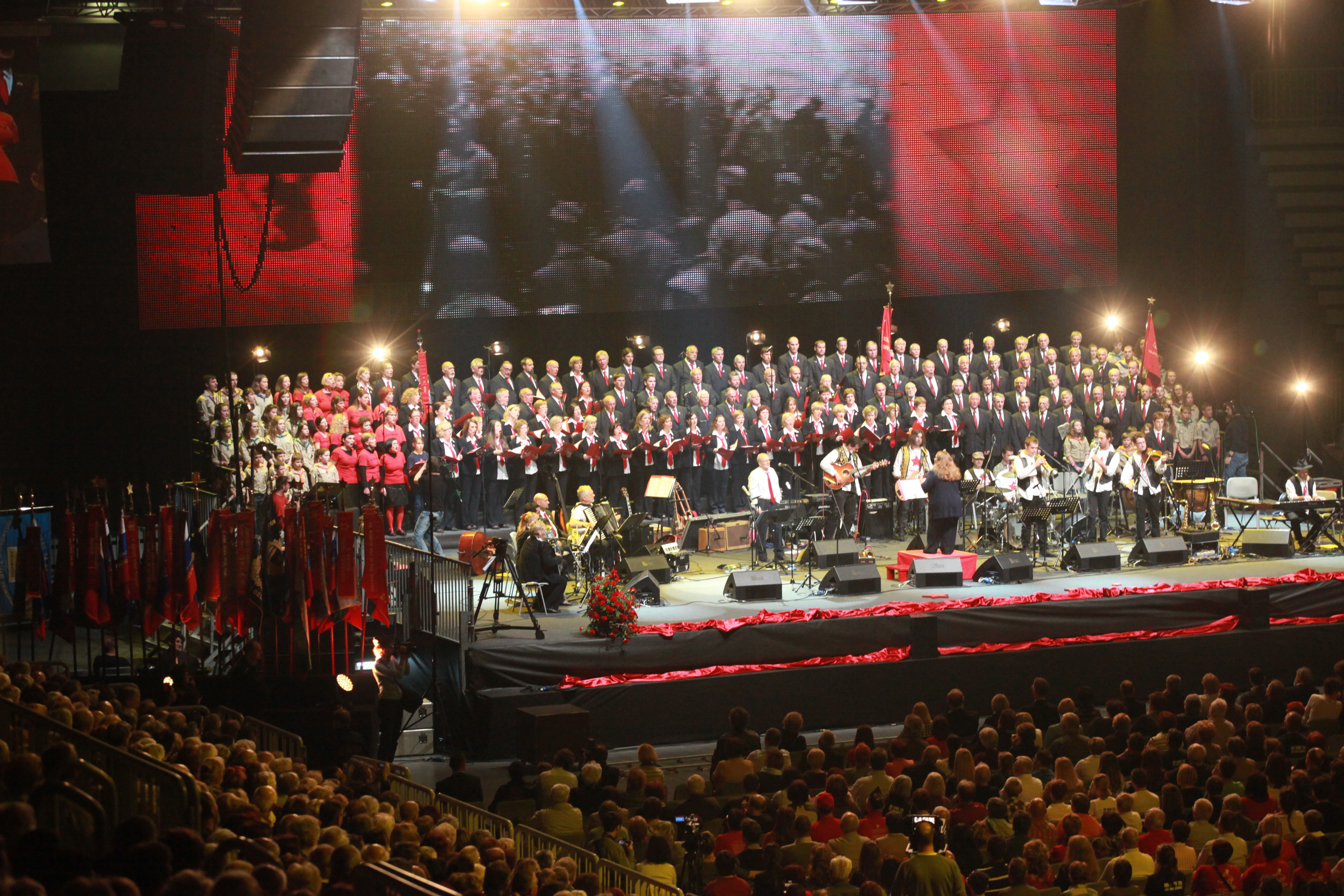
Chapter 4: A Repertoire of Revolution
This chapter extensively examines the activist choirs’ strategies for revitalizing partisan songs, the genre performed during the Yugoslav anti-fascist resistance movement and socialist revolution in World War II. These songs have not only been suppressed in the post-Yugoslav national(ized) political landscape but have also gradually been co-opted by the political elites. Through an ethnographic lens, the chapter investigates how activist choirs strategically choose the repertoire and performance settings and offer extensive commentaries of the songs’ (re)contextualization to assure their “proper” listening beyond nostalgia and revisionist tendencies. By analyzing members’ accounts and public reactions to their activities in media discourses, the chapter scrutinizes the dilemmas behind deciding what legacies of Yugoslav socialism are valid for contemporary political recuperation.
PDF
Chapter 5: Strategic Amateurism and the Politics of Leisure
How do the emerging alliances formed through singing activism extend beyond the moment of performance and the musically bound context into other aspects of social life? This chapter delves into singing activism as a day-to-day experience of choir members who politicize their leisure time to open up a space for people to live, persist, and resist neoliberal exhaustion, vulnerability, and uncertainty. The analysis reveals how contemporary struggles are not limited to the field of the waged sphere of production but are also transferred to social and intimate life. The author examines strategic amateurism—historically attached to socialist cultured leisure and its forms of organization through socially owned cultural infrastructure—as an alternative to the privatized, profit-oriented, and consumerist modes of life. The discussion offers a critical reading of the discourses of singing as self-care, exploring them in relationship to the neoliberal emphasis on individualization and professionalization.
PDF
Chapter 6: Socialism Reimagined for Now
The concluding chapter situates the practice of post-Yugoslav singing activism in the complicated coexistence between lived and imagined socialism as meeting in the now. Choir members strive to infuse an old repertoire with new breath, connecting the concrete historical experiences with contemporary global political struggles. In this endeavor, they turn to the inherent political idealism of the songs and their revolutionary promise, which stand in opposition to state ideology and the systemic utilization of socialist revolutionary strivings. By exploring the consequences of these strategies, the chapter discusses the anxieties and expectations surrounding the capacity of post-Yugoslav choirs—and expressive practices more generally—in shaping future anti-capitalist modes of social organization.
PDF